Flash USDT Explained What Makes It Better and How to Create It Safely
· based on the channel Rca FastPrint
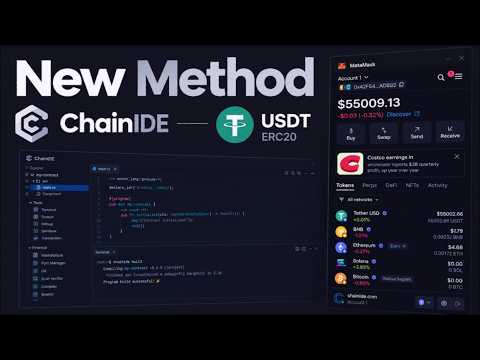
Flash USDT refers to a method of creating and interacting with USDT-like tokens rapidly using smart contracts on the Ethereum blockchain. It leverages development tools such as ChainIDE and wallet integrations like MetaMask to create, test, and manage these tokens effectively. The process focuses on ERC20 token standards and smart contract deployment workflows.
## What Is Flash USDT and Why It Matters
Flash USDT is a concept that involves the fast creation of USDT tokens or token-like assets using smart contract scripts. Unlike traditional USDT, which is issued by Tether Limited, Flash USDT tokens are typically created for educational, testing, or development purposes on Ethereum or compatible blockchains. This method helps developers understand token creation, interaction, and blockchain wallet management.
The technique is not about generating real USDT but simulating or creating similar tokens quickly within a controlled environment. It allows experimenting with token standards, verifying contract code, and learning decentralized finance (DeFi) mechanisms safely.
## Setting Up the Environment Using ChainIDE and MetaMask
ChainIDE is an online integrated development environment tailored for blockchain development, including smart contract writing and deployment. MetaMask is a widely used Ethereum wallet browser extension that facilitates wallet connection and transaction signing.
Steps to setup for Flash USDT creation:
- Open ChainIDE: Access the online IDE for writing Solidity smart contracts.
- Load the Flash USDT Script: Use the provided script from the official Flash USDT site to ensure authenticity.
- Compile the Contract: Verify the smart contract compiles without errors.
- Deploy to Ethereum Testnet: Use MetaMask to connect and deploy the contract on a test network like Goerli.
- Interact via MetaMask: Confirm token creation and transactions through the wallet interface.
This workflow ensures developers can safely test the Flash USDT method without risking real assets.
## Understanding the ERC20 Token Structure in Flash USDT
Flash USDT tokens follow the ERC20 standard, which defines a common interface for fungible tokens on Ethereum. Key elements include:
- Total Supply: The total number of tokens created.
- Balance Of: Function to check token balances.
- Transfer: Allows sending tokens between addresses.
- Approval and TransferFrom: Enable spending tokens on someone else's behalf.
In the Flash USDT method, the smart contract script implements these functions, allowing users to create, transfer, and manage tokens seamlessly within the development environment.
## Common Mistakes and Security Checks When Creating Flash USDT
When creating Flash USDT tokens, it’s crucial to avoid the following pitfalls:
- Using Unverified Contracts: Always verify the contract source code to prevent malicious code.
- Sending Real Funds to Unknown Contracts: Never use real ETH or tokens on untrusted contracts.
- Ignoring Network Settings: Ensure MetaMask is connected to the correct Ethereum testnet.
- Skipping Testing: Thoroughly test all interactions before deployment.
Following these precautions protects users from scams and unintended losses during Flash USDT creation.
## Practical Use Cases and Educational Benefits of Flash USDT
Though Flash USDT tokens are not real USDT, they serve several purposes:
- Learning Solidity and Smart Contracts: Developers can practice coding ERC20 tokens.
- Testing Wallet Interactions: Understanding how wallets like MetaMask interact with contracts.
- Simulating DeFi Scenarios: Create mock tokens to test decentralized applications.
- Experimenting with Tokenomics: Adjust supply and transfer rules for learning.
These use cases make Flash USDT a valuable tool for blockchain education and prototyping.
## Useful Links
- Official Flash USDT script and guide: https://sites.google.com/view/defiflashusdt
## Итог
Flash USDT is an innovative method for rapidly creating ERC20 token-like assets using ChainIDE and MetaMask. While not real USDT, it provides an excellent educational platform for understanding smart contracts, token standards, and blockchain wallet integration. The approach emphasizes security by encouraging contract verification and testing on Ethereum testnets. For a detailed walkthrough and script access, visit the official Flash USDT site linked above. This analysis is based on the tutorial by the YouTube channel Rca FastPrint, a reliable source for crypto development insights.
Key takeaways
- Flash USDT is a method involving ERC20 tokens on Ethereum network.
- Creation uses ChainIDE for smart contract development and MetaMask for wallet interaction.
- The method requires careful verification of contracts to avoid scams.
- Flash USDT is intended for educational and testing purposes, not real funds.
- Understanding ERC20 structure is key to flash USDT creation.
Questions & answers
What is Flash USDT and how is it different from regular USDT?
Flash USDT is a method to create token-like assets that simulate USDT on the Ethereum blockchain for testing and educational purposes, unlike regular USDT which is an official stablecoin issued by Tether Limited.
Which tools are essential to create Flash USDT tokens?
ChainIDE is used for writing and deploying smart contracts, while MetaMask manages wallet connections and transactions. Both are essential for creating and interacting with Flash USDT tokens.
Is it safe to use Flash USDT tokens with real funds?
No, Flash USDT tokens are intended strictly for educational and testing use. You should never send real funds to unverified contracts or interact with unknown code to avoid losing assets.
Can Flash USDT tokens be used on the main Ethereum network?
Typically, Flash USDT tokens are deployed on Ethereum testnets for development and testing. Deploying on the mainnet requires caution and thorough contract audits to ensure security.
Source: How to Create Flash USDT With New Method 2026 · Markdown version